Why List Building Matters for ClickBank Affiliates (and How to Start)

ClickBank can feel simple at first. You grab a link, send traffic, and hope the sale lands. When it works, it’s exciting. The problem is that many ClickBank sales are one and done if you don’t capture the visitor. Sadly, I’ll admit from the start, that was my experience. (But I have learned better since.)
Early on, it’s easy to think, “I’ll build my email list later.” That choice can get expensive. When you skip list building, you don’t just lose subscribers, you lose time and repeat commissions you could’ve earned from the same people.
This guide explains why list building is so important for ClickBank affiliates, how it improves your earnings, and a beginner-friendly way to set it up. Quick note: if any tools come up, assume they may include affiliate links on this site, and always check the affiliate and earnings disclosure on the page you’re reading.
SEO Key Takeaways: why ClickBank affiliates should build an email list
- You can increase conversions over time because subscribers often buy later, not today.
- You can follow up with non-buyers and answer common objections.
- You can promote more than one offer to the same audience (without starting from zero).
- You’re less exposed to traffic drops from ads, SEO changes, or social reach.
- You build trust by showing up with helpful emails, not just links.
- Your earnings per click can rise because each click can lead to multiple chances to earn.
- You create a business asset you control, instead of renting attention from platforms.
Why list building changes the math for ClickBank affiliates
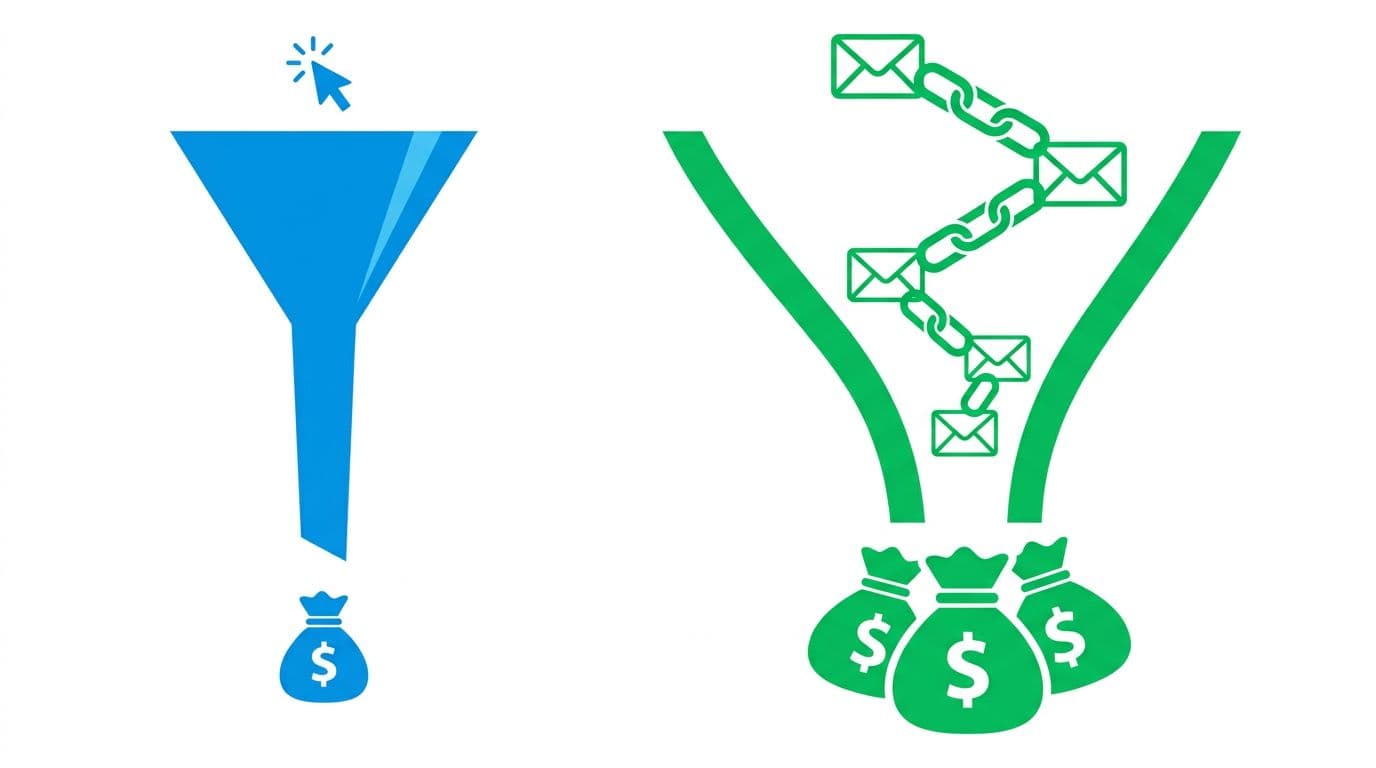
A click is a moment. A list is a relationship.
When you send someone straight to a ClickBank sales page, you get one shot. If they don’t buy, they vanish. With a list, you can keep helping them, and you can stay in their inbox when they’re finally ready.
Think of it like fishing. Direct linking is one cast, one hook. List building is a keep-net. You can’t force a purchase, but you can keep the connection.
This matters even more in popular ClickBank niches. For example:
- Weight loss: people want results, but they hesitate. They worry about scams, effort, or side effects.
- Budgeting or make money: people compare options, watch reviews, and wait for the “right time.”
In both cases, the first visit often isn’t the last step. Email lets you guide the decision, instead of hoping the sales page does all the work.
Here’s the practical difference:
| Approach | What happens after the click? | What you can improve over time |
|---|---|---|
| Direct to ClickBank | Visitor buys or disappears | Very little (you must keep buying traffic) |
| Email-first funnel | Visitor joins your list, then sees the offer | Messaging, trust, timing, and future promos |
The takeaway: list building doesn’t just add leads, it turns one visitor into multiple chances to earn.
You earn more from the same traffic with follow-up emails
Most people don’t buy on the first visit, even if they like the idea. They might be busy. They might want to check reviews. Sometimes they’re interested but skeptical.
Email follow-up catches those “not yet” people.
Instead of chasing more traffic, you can send a short sequence that helps them decide. A few emails can:
- explain who the product is for (and who should skip it)
- share quick tips that build confidence
- answer common questions you see in comments or forums
- remind them to come back when they have time
ClickBank offers often sell on emotion, but buyers still want reassurance. When you show up calmly in their inbox, you reduce the fear of making a bad choice.
If you only get one chance to convert, you’ll keep paying for the same lesson. Follow-up gives you extra chances without extra clicks.
You can promote more than one product without starting over
A list also means you don’t restart every time you change offers.
Let’s say you build a small list around home workouts. Some subscribers want fat loss. Others want strength. A few care most about mobility or back pain. That’s normal. People have different “why” even inside one niche.
With email, you can recommend related ClickBank offers over time, such as:
- a beginner plan first (lower friction)
- an upgrade later (higher intent)
- seasonal promos (New Year goals, summer, back-to-school)
The key is to keep promos aligned with what they signed up for. Helpful beats hype. If your emails read like a non-stop advert, people will tune out fast.
How a ClickBank email list protects you from income swings

Affiliate income can feel jumpy. One week looks great, then the next week goes quiet. Often, it’s not your offer. It’s your traffic source.
Platforms change rules. Ad costs rise. Search rankings move. Social reach drops. When all your income depends on one channel, it’s like living payday to payday.
An email list brings stability because you own the connection. You can still lose subscribers over time, but you don’t lose the entire channel because an algorithm sneezed.
Traffic can disappear overnight, your list stays
Paid ads can stop for reasons that have nothing to do with your intentions. Sometimes an ad account gets flagged. Sometimes a payment fails. Other times, costs rise until the campaign stops making sense.
SEO traffic can also dip. A small update can push your page down, even if your content is good. Social platforms can reduce reach as they push more paid placements.
Email gives you a direct path back to your audience. You can send:
- a helpful tip
- a case study
- an honest product update
- a limited-time discount, when it’s real and relevant
That one email can bring clicks, even if your other traffic is down.
Trust is your real advantage in crowded ClickBank niches
Many affiliates promote the same products. That’s why trust becomes your edge.
Trust comes from simple habits:
- you call out pros and cons, not just benefits
- you set clear expectations (results take effort)
- you share personal experience only when it’s true
- you recommend alternatives when someone isn’t a fit
When trust goes up, refunds tend to go down, because buyers feel informed. Repeat buying also becomes more likely, because people remember who helped them choose.
A simple list building setup for beginners promoting ClickBank

Beginners often overbuild. They try to set up five funnels, ten freebies, and weekly broadcasts. Then they burn out.
Keep it small. You need three pieces:
- a niche and lead magnet
- a page to collect emails (plus a “bridge” page if you want)
- a short welcome sequence
That’s enough to start earning and learning.
Also, keep compliance in mind from day one. Get clear consent, include an unsubscribe link, and follow your email service provider’s rules. If you’re in the UK (like me), you’ll also want to be mindful of GDPR basics like clear opt-in and honest use of data.
Choose one niche, one lead magnet, and one clear promise
Pick one niche you can stick with for a while. ClickBank categories can help you spot themes, but don’t chase what you don’t understand. If you can’t explain the problem in simple words, you’ll struggle to email about it.
Your lead magnet should solve a small problem quickly. Think “first step,” not “complete transformation.”
A few easy examples:
- meal planning: a meal prep shopping list
- fitness: a home workout starter plan
- personal finance: a debt payoff tracker
Your promise should match the freebie. If the freebie helps with meal prep, don’t pitch it as “lose 20 pounds fast.” Keep it honest. Clear promises reduce unsubscribes because people get what they expected.
Use a bridge page and a welcome sequence that helps before it sells
A bridge page sits between your traffic source and the ClickBank offer. It’s where you explain what you recommend, why you recommend it, and what the subscriber should do next.
It works because it “warms up” the click. Instead of a cold jump to a sales page, you give context. You also capture the email before sending them on.
A simple 5 to 7 email welcome sequence can look like this:
- Email 1: deliver the freebie and set expectations
- Email 2: a quick win tip related to the freebie
- Email 3: common mistakes (and how to avoid them)
- Email 4: a short personal story or lesson you learned
- Email 5: soft recommendation (who it’s for, what it helps)
- Email 6: stronger recommendation with FAQs or objections
- Email 7: follow-up reminder, plus an alternative option if relevant
Keep disclosures visible when you recommend products. Add an affiliate disclosure on your bridge page, and follow ClickBank rules and local guidance.
Common list building mistakes that cost ClickBank affiliates commissions

Many beginners don’t fail because they “can’t do affiliate marketing.” They fail because they keep making the same avoidable errors.
The biggest one is believing you don’t need a list. That mindset often leads to months of hard work with nothing to show later, because you didn’t keep any of the audience you earned.
1) Sending people straight to the sales page with no follow-up plan
Direct linking can work in some cases. Still, it caps your income because you have no second chance.
A simple fix is an email-first flow:
- capture the email
- send them to the offer right away (thank-you page or Email 1)
- follow up with helpful emails that answer objections
That way, even if they don’t buy today, you can keep helping. You also learn what people struggle with by watching replies and clicks.
2) Promoting too many offers, too fast, with no real value in between
Another common mistake is going promo-heavy. If every email screams “buy,” people stop opening, or they unsubscribe.
A beginner-friendly rule: send value most of the time, and promote only when it fits the topic. When you do promote, explain why it matters and who it helps.
Segmentation also helps, even if you keep it basic. Tag people by interest when they click. Then only send related offers. A budgeting subscriber doesn’t want a random supplement pitch, even if the commission is tempting.
FAQs about list building for ClickBank affiliates

Do I need an email list if I am running paid ads to ClickBank?
Paid ads can bring quick clicks, but the list improves your return. Without a list, you pay for every new chance to convert. With a list, you can follow up and recover ad spend over time, because some buyers need a few touches before they commit.
Even a short welcome sequence can turn “lost clicks” into later sales. That’s how ads become less stressful.
What can I email people without getting complaints?
Start with what you promised. Deliver the freebie right away. Then keep sending content that matches why they joined.
Good email topics include beginner steps, simple tips, short case studies, common mistakes, and honest recommendations. In addition, make it easy to unsubscribe, and don’t use tricky subject lines. Respect inboxes, follow your email platform’s rules, and avoid anything that reads like spam.
If you treat email like helping, complaints stay rare.
Can I promote ClickBank links directly in emails?
Sometimes yes, but it depends on your email service provider and how you send. Some providers allow affiliate links, while others prefer you link to your own page first.
Play it safe by checking your Email Service Provider’s policy, and use clear disclosures. Many affiliates use a bridge page for control, tracking, and trust.
Conclusion
List building matters for ClickBank affiliates because it raises conversions, smooths income swings, and helps you earn more from the same traffic. It also builds trust, which is hard to replace once you’ve lost it. Most importantly, skipping a list early can cost months of effort and missed commissions that never come back.
For the best success rate, take professional training as found in the ClickBank Profit Club.


